When Florida farmers consider adding drone spraying to their operations, one question comes up again and again: Does it matter if the operator is Part 137 certified?
The short answer is yes. And for anyone who values doing things right—both by the law and by the land—understanding why makes all the difference.
What Is Part 137 Certification?
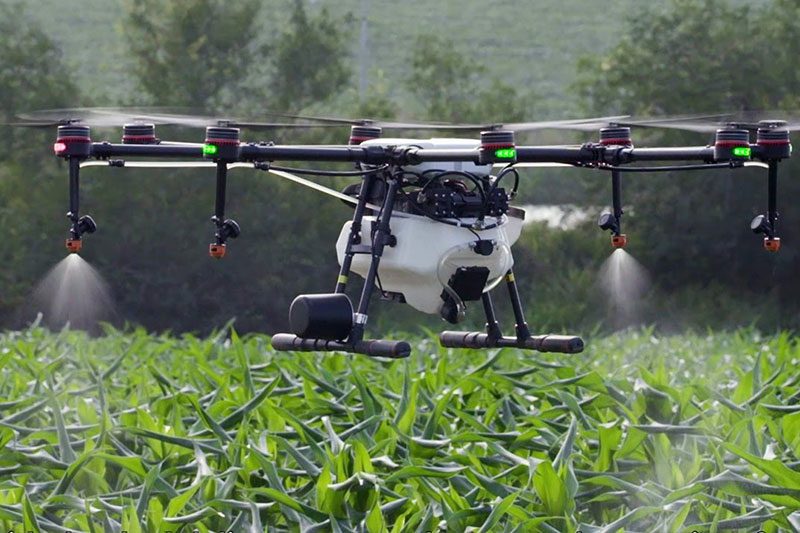
Part 137 refers to the FAA regulations that govern agricultural aircraft operations. This certification has been the standard for manned crop dusters for decades. Now it applies to commercial drone operators who want to legally spray pesticides, herbicides, and other agricultural chemicals.
Without Part 137 certification, a drone operator cannot legally dispense any substance for agricultural purposes. Full stop. This is not a gray area or a matter of interpretation—it is federal law.
The Difference Between Part 107 and Part 137
Many drone operators hold Part 107 certification, which allows them to fly commercially for purposes like photography, mapping, and inspections. It is a solid foundation and requires passing an aeronautical knowledge test.
Part 137 goes further. It requires:
- Demonstrated knowledge of safe handling and dispersal of agricultural chemicals
- Understanding of drift management and environmental protection
- Proper record-keeping and reporting procedures
- Insurance requirements specific to agricultural operations
- Ongoing compliance with FAA operational standards
When you hire a Part 137 operator, you are getting someone who has invested the time and resources to do agricultural drone work the right way.
Why This Matters for Your Farm
Legal Protection
If an uncertified operator sprays your fields and something goes wrong—drift onto a neighbor’s organic crop, environmental contamination, or an incident report—you could find yourself tangled in a regulatory nightmare. Working with a certified operator protects your operation.
Better Results
Part 137 training emphasizes precision application. Certified operators understand how weather, terrain, and equipment calibration affect coverage. They know how to minimize waste while maximizing effectiveness.
Stewardship
For those of us who believe we are called to be good stewards of the land God has entrusted to us, working with professionals who share that commitment matters. Proper certification is not just about following rules—it is about respecting the responsibility we carry.
Questions to Ask Before Hiring
When evaluating drone spraying services, consider asking:
- Are you Part 137 certified? Can you provide documentation?
- What insurance do you carry for agricultural operations?
- How do you manage drift and protect neighboring properties?
- What records do you maintain, and will you share reports with me?
- How long have you been doing agricultural drone work in Florida?
A reputable operator will welcome these questions. They have worked hard to earn their certification and are proud to show it.
The Bottom Line
Drone technology offers real advantages for Florida agriculture: reduced chemical use, faster application times, and access to fields where ground equipment cannot go. But those benefits only come when the work is done right.
Part 137 certification is not a bureaucratic hurdle—it is your assurance that the operator serving your farm meets the standards that agricultural aviation has upheld for generations. It is the difference between cutting corners and building something that lasts.
At Precision Aerial Services, we are proud to be Part 137 certified because we believe Florida farmers deserve nothing less. If you have questions about what that means for your operation, we are happy to talk.