
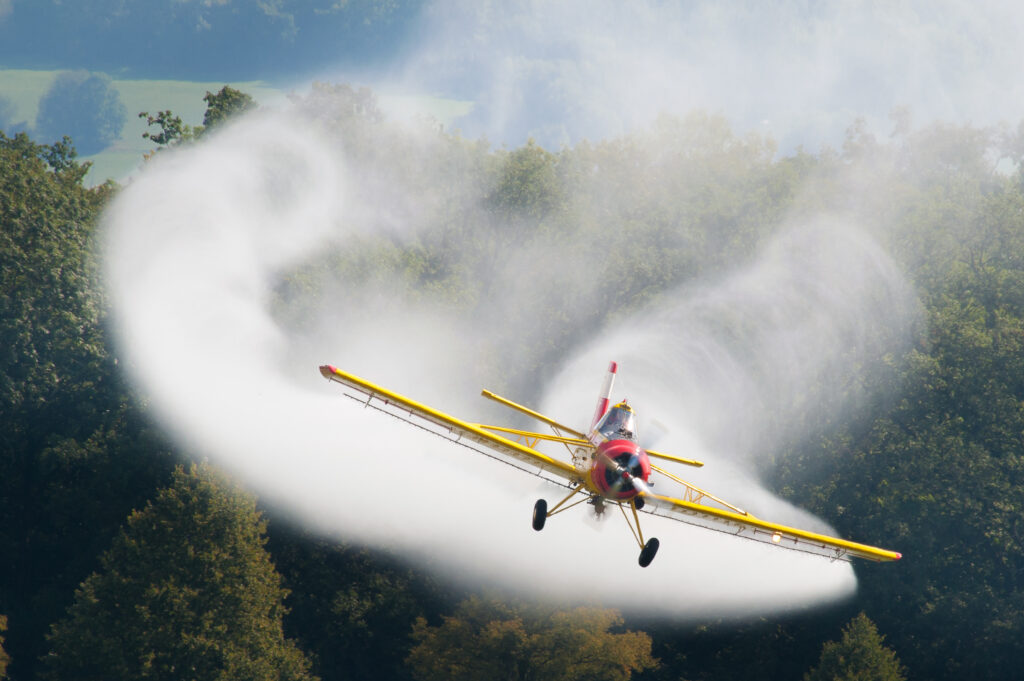
Why Drones Are Becoming the Better Choice for Today’s Growers
For decades, fixed-wing aircraft were the only practical way to apply herbicides, fungicides, and foliar nutrients from the air. They covered large acreages quickly and kept equipment out of the field. But agriculture has changed. Fields are smaller, crops are more diverse, and growers need precision—not just speed.
That shift has opened the door for unmanned aerial vehicles (UAVs), and today’s spray drones offer capabilities that planes simply can’t match.
Below is a clear comparison of both methods and why drones are increasingly the better fit for most farm operations.
1. Precision Targeting vs. Broad Coverage
Planes
Planes excel at treating large, uniform fields like row crops in the Midwest. But they have limits:
- Wide spray patterns
- High drift potential
- Difficulty adjusting for small blocks or irregular shapes
- Minimum acreage requirements before they’ll take the job
Drones
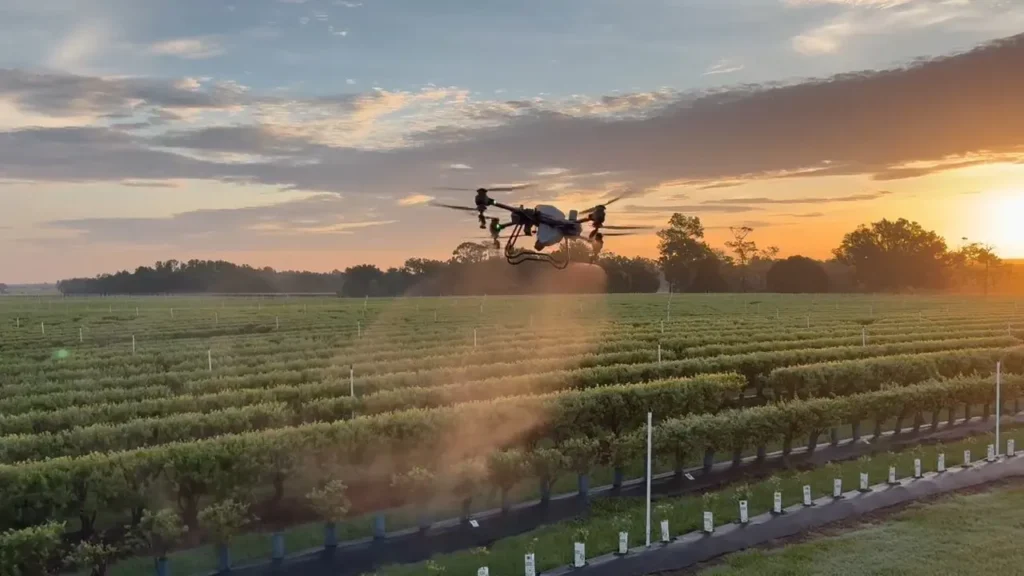
Spray drones operate at low altitude, typically below 10 feet above the canopy. That gives them:
- Tight, controlled spray patterns
- Significantly reduced drift
- The ability to treat small fields, odd shapes, or single trouble spots
- Ideal accuracy for high-value crops (strawberries, citrus resets, blueberries, vegetables)
Bottom line: Drones don’t waste chemical or hit areas you didn’t intend to treat.
2. Safety and Risk Reduction
Planes
Aerial applicators face:
- Pilot fatigue
- Visibility challenges
- Hazards from powerlines, trees, and tower structures
- Greater liability when flying over or near residential areas
Drones
Drones remove the pilot from the sky entirely.
- No risk of pilot injury
- Automated route planning
- Obstacle avoidance sensors
- Precise altitude control
- No need to fly near homes, roads, or structures
For growers, that translates into a safer operation with fewer regulatory constraints.
3. Drift Control and Environmental Accuracy
Planes
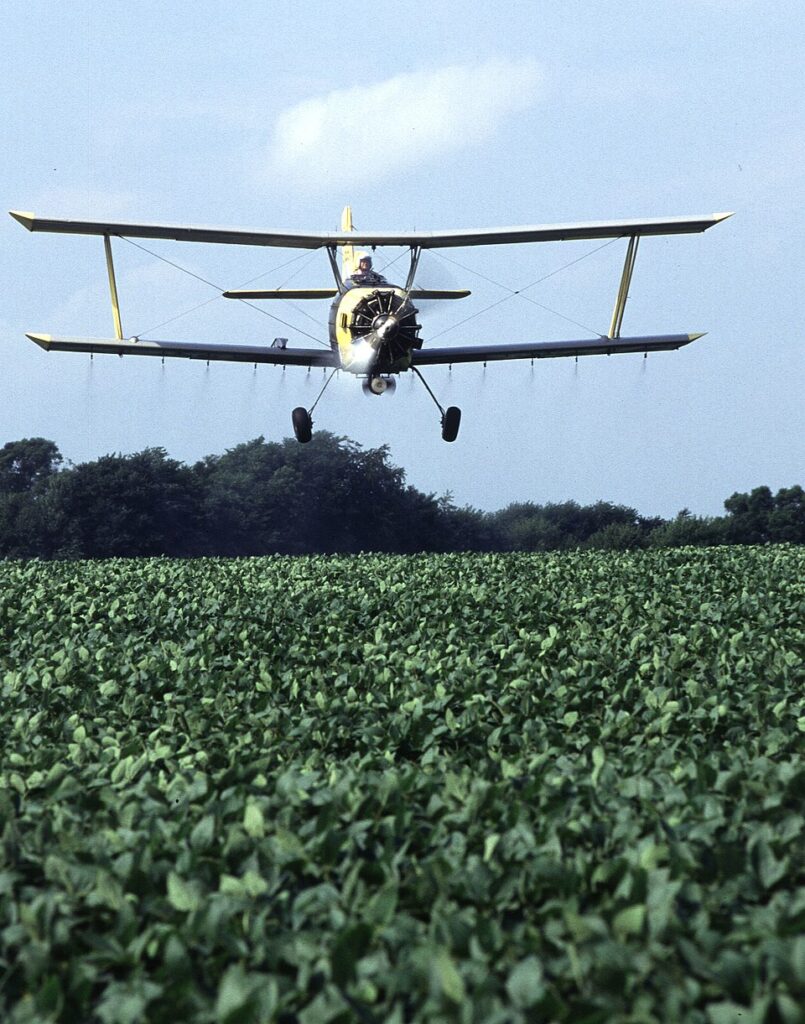
Planes spray from higher altitudes and at faster speeds. Even with modern nozzles, drift is harder to control.
- Wind becomes a major factor
- Buffer zones are required
- Overspray is more common
Drones
Drones deliver the spray directly into the canopy with downwash from their rotors, improving penetration and reducing drift.
- Low-altitude application
- Strong downward airflow
- Targeted droplet placement
- Better coverage on uneven terrain
The technology is designed for precision agriculture, not bulk coverage.
4. Terrain Access and Field Conditions
Planes
A plane needs:
- A runway
- Open approach angles
- A safe entry and exit path
If fields are surrounded by:
- Trees
- Powerlines
- Fencing
- Livestock
- Subdivisions
…it may be impossible—or unsafe—to fly.
Drones
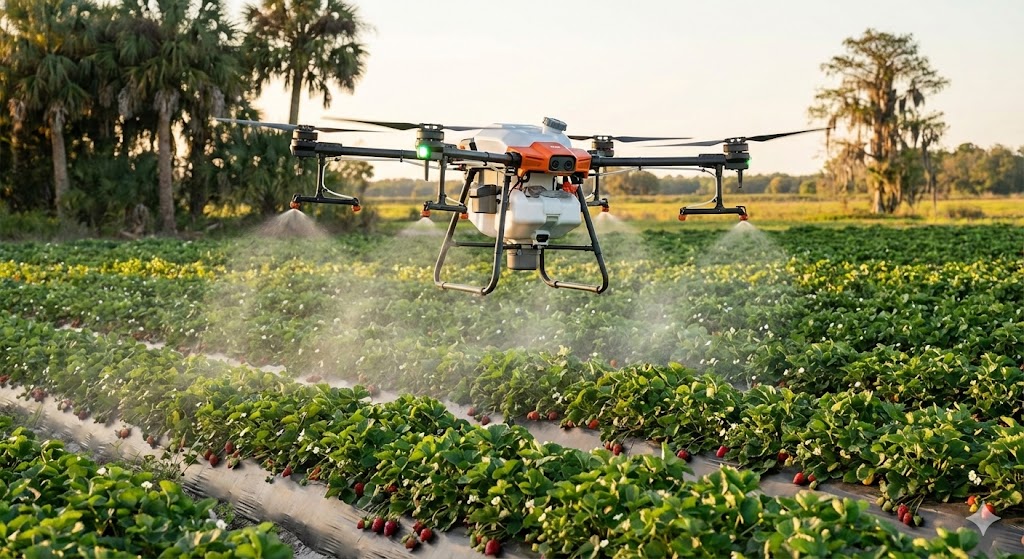
Drones require nothing more than a 10’ x 10’ landing area.
They can:
- Spray fields next to houses
- Navigate around obstacles
- Fly over rough terrain
- Treat boggy or rooted pastures
- Reach areas machinery can’t access
This makes drones an ideal choice for Florida farms, where fields are often irregular or surrounded by trees and structures.
5. Cost Efficiency
Planes
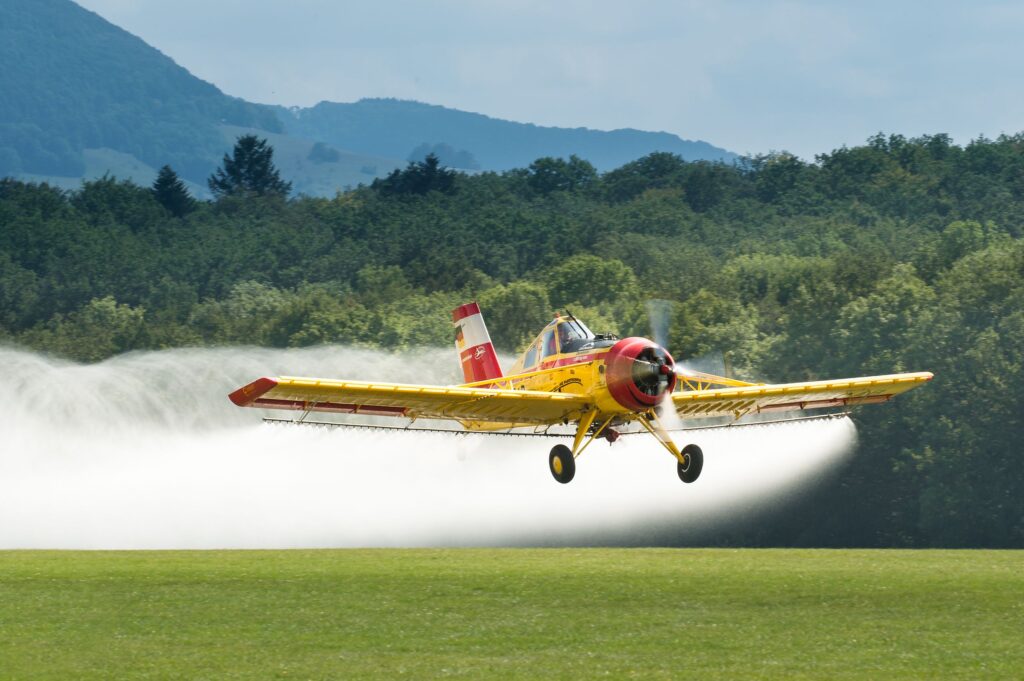
Planes can be cost-effective for very large acreages, but cost per acre rises when:
- Fields are small
- Fields are scattered
- Application windows are narrow
- Weather delays shorten spray days
Most operators also require minimum acreage to justify the flight.
Drones
Drones offer:
- No minimum acreage
- Lower fuel consumption
- Minimal manpower
- Fast deployment
- No runway or staging area costs
For small to mid-size fields, drones almost always deliver a lower total cost.
6. Reduced Crop and Soil Disturbance
Planes
Planes don’t physically touch the field—but they may need ground crews, fuel trucks, or staging areas close by.
Drones
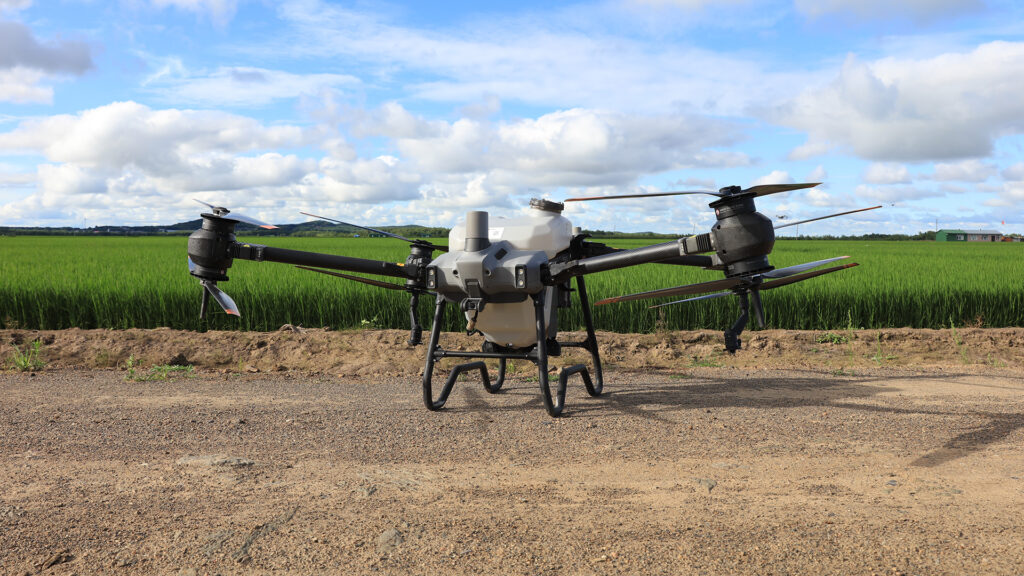
Drones keep everything on the perimeter. No compaction. No tire ruts. No disruption to irrigation or planting schedules.
This is especially valuable for:
- Strawberries
- Blueberries
- Citrus resets
- Vegetables
- New plantings
- Soft or saturated soils
7. Flexible, On-Demand Application
Planes
Hiring a plane requires:
- Scheduling
- Weather alignment
- Pilot availability
- Enough acreage to justify the flight
This delay can cost growers valuable time during disease outbreaks or insect pressure.
Drones
Drones launch immediately.
- Perfect for spot treatments
- Useful for rescue sprays
- Ideal during tight application windows
- Easy to fly between rain events or wind shifts
Growers gain control, not dependence on a seasonal plane schedule.
The Future Is Leaning Toward Drones
Planes still have a place in large-scale monocrop agriculture. But for the majority of growers—especially in Florida’s mix of specialty crops, small blocks, and irregular terrain—drones are the more efficient, precise, and cost-effective option.
Spray drones give farmers:
- Accuracy
- Safety
- Better drift control
- Terrain access
- Lower operational costs
- Rapid response timing
And as technology continues improving, their advantages will only grow.