
A hard freeze can undo weeks—or months—of work in a single night. For farmers and growers, the challenge isn’t just the damage itself, but understanding where it occurred, how severe it is, and what to do next.
This is where drone-based crop assessment becomes a powerful tool.
Why Freeze Damage Is Hard to Assess from the Ground
After a freeze, crop damage is often:
- Uneven across a field
- Delayed in showing visible symptoms
- Misleading at ground level
Walking rows gives only a narrow snapshot. One section may look fine while another, just yards away, has suffered significant stress. Decisions based on partial information can lead to:
- Over-replanting
- Missed insurance documentation
- Unnecessary input costs
What Drones See That the Human Eye Can’t
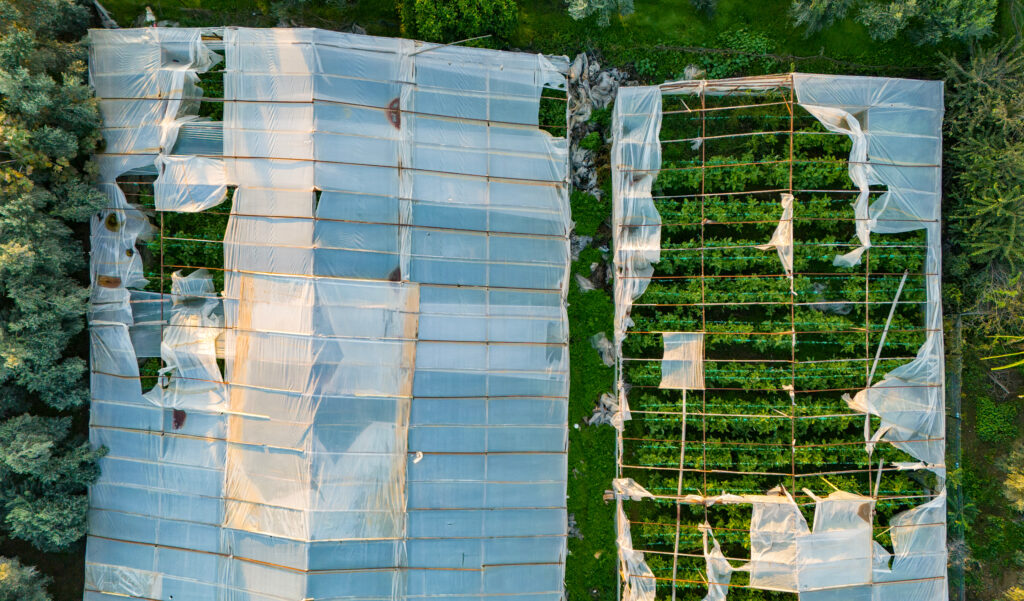
Agricultural drones provide a field-wide view in minutes, capturing data that highlights stress patterns invisible from the ground.
Using high-resolution and multispectral imagery, drones can:
- Identify cold-stressed plants before visible wilting
- Reveal uneven damage caused by low spots or airflow patterns
- Separate survivable crops from non-viable areas
This allows growers to act with precision instead of guesswork.
Key Benefits of Drone Freeze-Damage Assessments
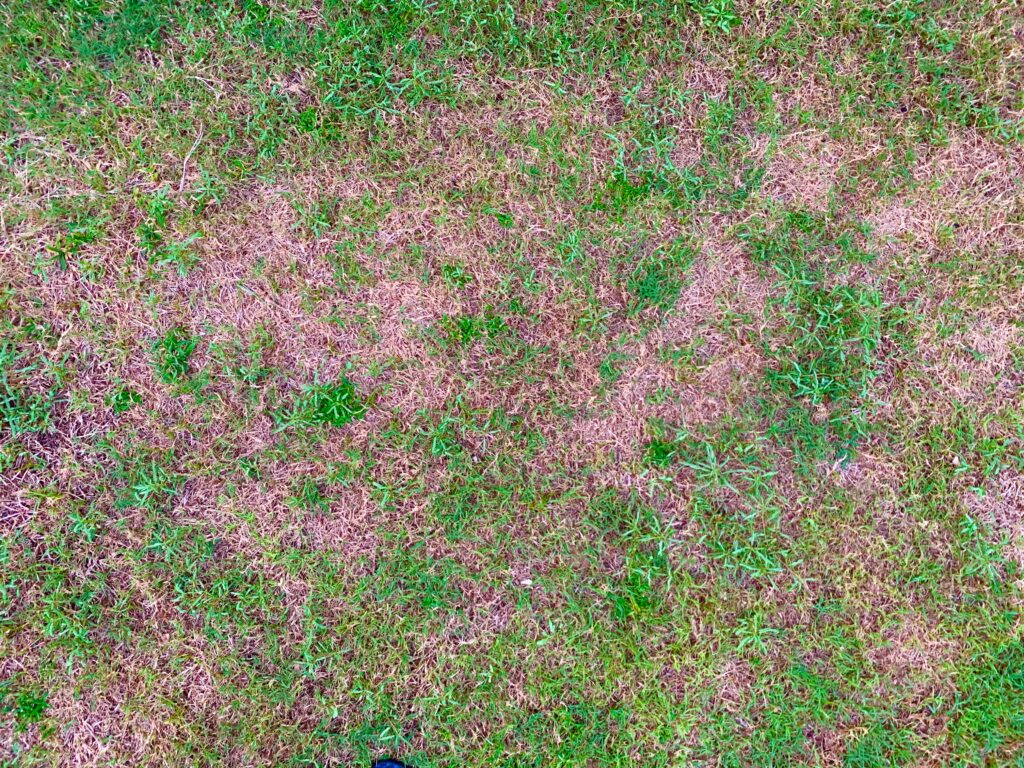
1. Rapid Field Coverage
A single drone flight can assess hundreds of acres in the time it would take to scout a small portion on foot.
2. Objective Documentation
Aerial imagery provides time-stamped, georeferenced records that can support:
- Crop insurance claims
- Lender documentation
- Agronomic decision-making
3. Targeted Recovery Decisions
Rather than blanket replanting or full-field inputs, drone data helps growers:
- Replant only where necessary
- Adjust fertilizer or irrigation plans
- Prioritize high-value zones
4. Early Intervention
Freeze stress often weakens plants, making them more vulnerable later. Early identification allows for proactive management before secondary problems develop.
When to Fly After a Freeze
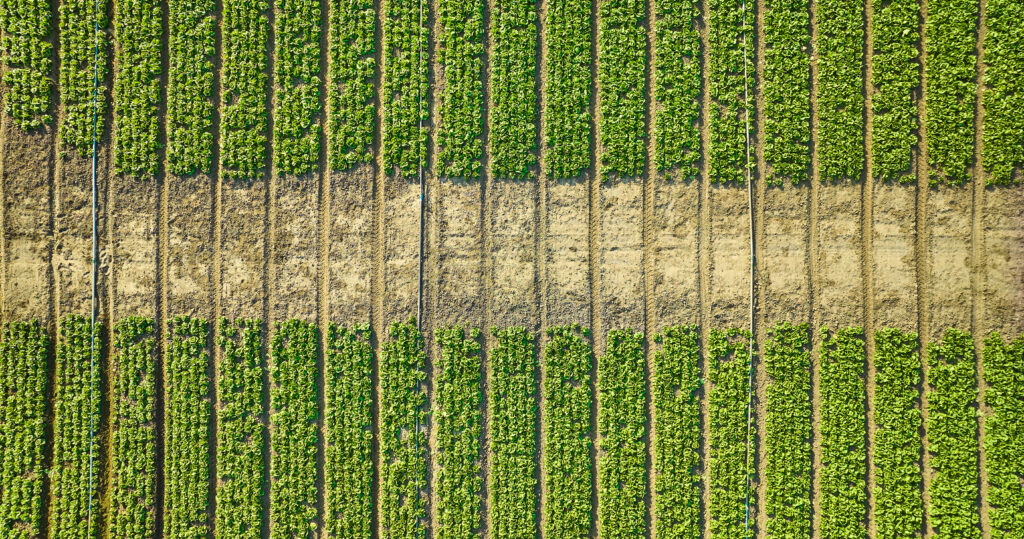
Timing matters. In most cases:
- Initial flights occur 24–72 hours after the freeze
- Follow-up flights may be used to confirm recovery or decline
This staged approach prevents premature decisions while still acting early enough to protect yield.
A Smarter Way to Respond to Weather Risk
Florida and Southeast agriculture isn’t immune to cold snaps—and as weather patterns grow less predictable, data-driven response matters more than ever.
Drone assessments don’t change the weather—but they do change how effectively you respond to it.
Assessing Damage
Freeze damage doesn’t always announce itself clearly. The faster you understand what happened across your entire field, the better your chances of protecting yield, controlling costs, and documenting losses accurately.
That’s the advantage of seeing the whole picture.